Whitehorse Power Centres Project
Yukon Energy is planning to build two new thermal power centres, associated infrastructure like power lines, and one new substation in the Whitehorse area to meet the territory’s electricity needs.
Updated January 05, 2025
Demands for electricity in the Yukon are increasing faster than firm sources of renewable electricity can be built. The Yukon’s population is growing and, with it, the demand for electricity. As Yukoners continue to transition away from fossil fuels for heating and transportation, that demand will only rise.
In the next five years, Yukon Energy will focus on increasing the supply of dependable winter power to meet growing demands and build a stronger, more resilient power system. To do this, we know that thermal capacity, new substations and more transmission and distribution assets are required to meet the needs of Yukoners. While it might seem counterintuitive, thermal resources will play a crucial role in providing the stability needed to safely integrate more community solar and wind resources to the Yukon grid.
On our path to 2050, we want the flexibility to be able to respond to our electricity needs and integrate emerging technologies as they become available. If we reach a point where these thermal assets are no longer required, we will be able to sell or move them, given their modular set-up.
The new Whitehorse Power Centres will serve three main purposes:
-
Increase the size of the Yukon’s electricity system and provide additional sources of dependable capacity that Yukoners can rely on during the winter to keep homes warm and lights lit on the coldest of days, in drought years, and when intermittent renewable resources are not available.
-
Reduce Yukon Energy’s reliance on rental diesels. Renting diesel units each winter, while cost-effective over a short period of time, comes with risks such as limited supply chain, lower reliability, and reliance on an external contractor for maintenance. The capacity installed at these new power centres will account for the capacity that rental diesels provide us each winter, plus additional capacity needed to address growing demands for power.
-
Provide the substation and transmission infrastructure needed to support the increased power Yukon Energy is expecting in each of these regions, and the potential for additional batteries to enhance grid stability and flexibility as more intermittent renewable resources are added to the grid.
Project plan
Yukon Energy will build two new thermal (diesel or LNG) power centres and one new substation in the Whitehorse area to meet electricity needs until 2040. The project will also include upgrades to the electricity system needed to connect the new power centres to the Yukon grid, as well as needed to modernize the grid with new automated technologies in the future. These upgrades will also help to reduce the likelihood of power outages in the Whitehorse area and help to restore them more quickly when they do happen. A site for a potential third thermal power centre, to be used as contingency, will also be assessed through the Yukon Environmental and Socio-economic Assessment Act (YESAA). Collectively, these four sites and each of their respective transmission connections to the Yukon grid make up the scope of this project.
This work will be carried out in phases, starting with the YESAA assessment process in 2025. Our load forecasts show that we will need 15 megawatts of electricity to meet demand in winter 2027–28. Either the north or south power centre will be built first, to meet this goal.
| Completion phase | Description | Expected in-service date |
|---|---|---|
| First Power Centre Build | Construct north or south power centre with 15 MW of capacity. | Winter 2027 |
| Second Power Centre Build |
|
Winter 2030 |
| Expand Power Centres | Add incremental capacity to the second power centre as needed and/or construct second north power centre if expansion of existing power centre built in Phase 2 is not feasible or demand for power is expected to exceed capacity limits at the north site. | Winter 2035 |
Preferred Site selection
Yukon Energy has completed a detailed evaluation of potential sites for the Whitehorse Power Centres project and has selected the following locations:
Preferred Site Locations
Green markers indicate preferred sites. Yellow indicates back-up sites. Read more about our back-up sites here.
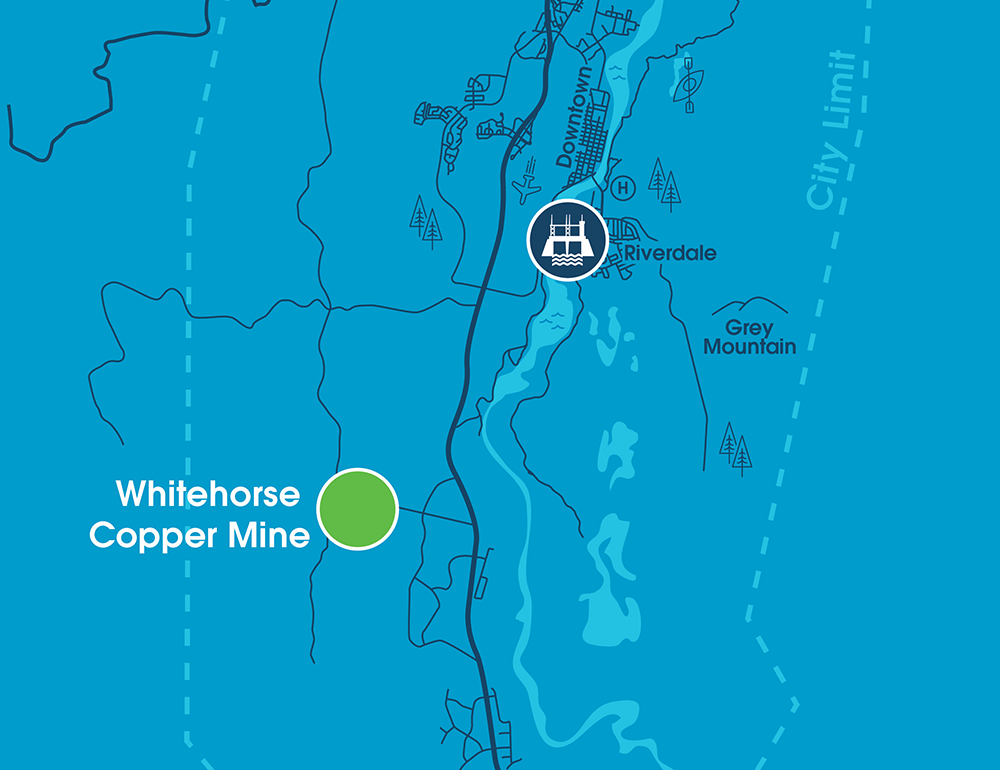
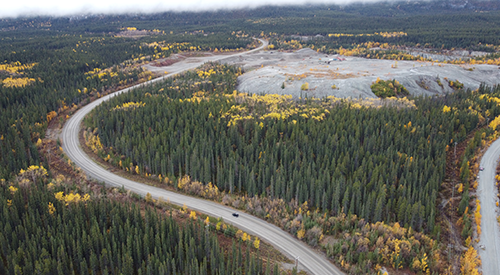
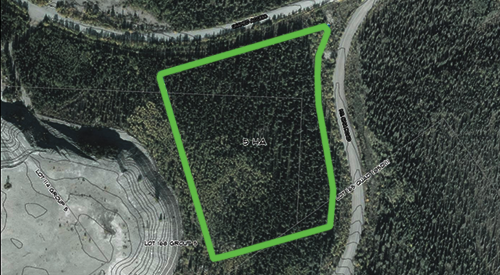
South Power Centre Site
Whitehorse Copper Mine
| Owner | Yukon Government |
|---|---|
| Current Use | Undeveloped (Greenfield site) |
| Location Notes |
|
| Distance to nearest residence | ~880 m |
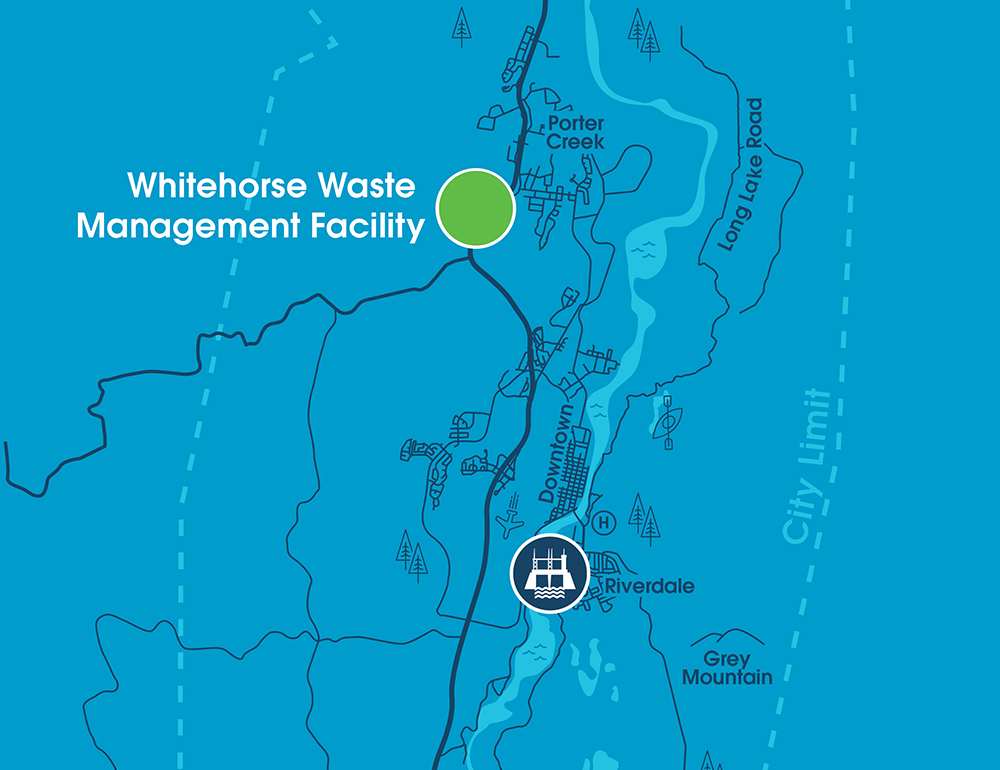
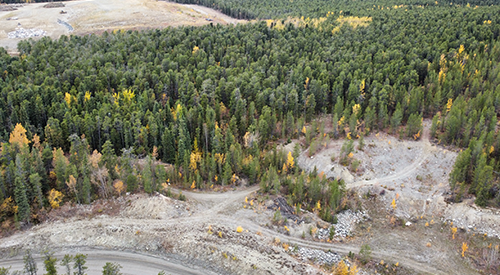
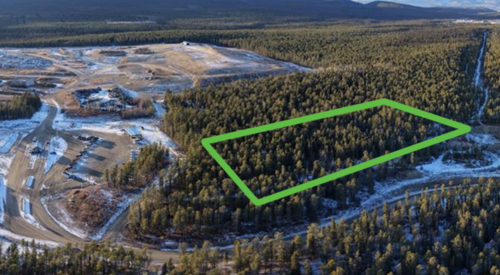
North Power Centre Site
Whitehorse Waste Management Facility
| Owner | City of Whitehorse |
|---|---|
| Current Use | Beside waste management facility |
| Location Notes |
|
| Distance to nearest residence | ~900 m |
Substation Site
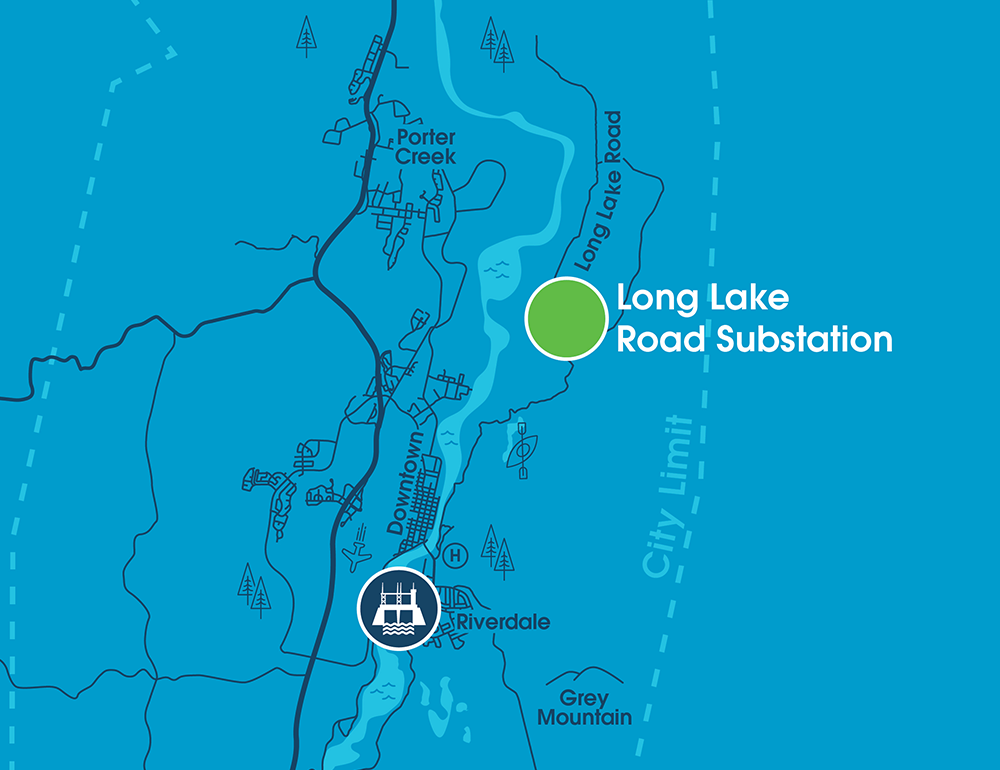
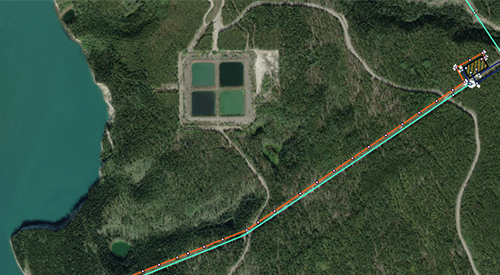
Long Lake Road
| Owner | City of Whitehorse |
|---|---|
| Current Use | Beside abandoned sewage lagoon |
| Location Notes |
|
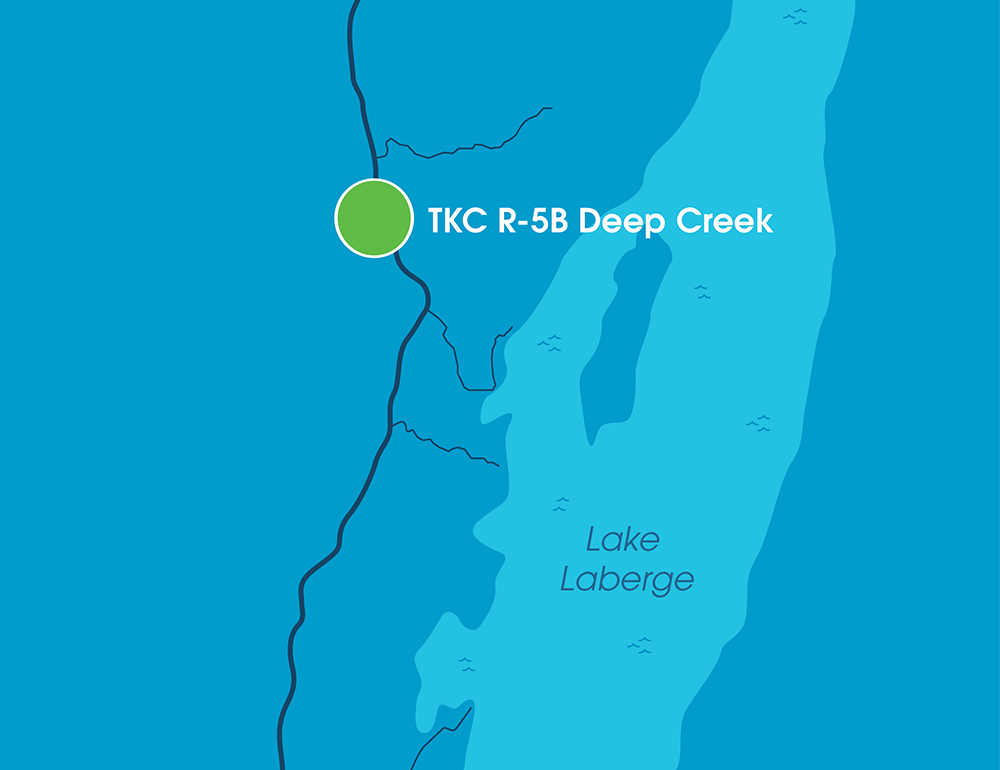
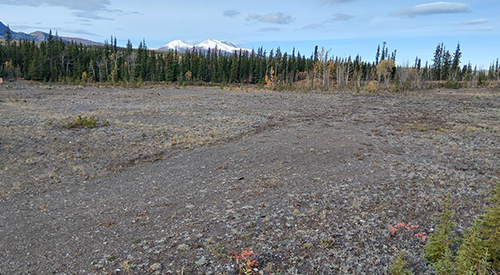
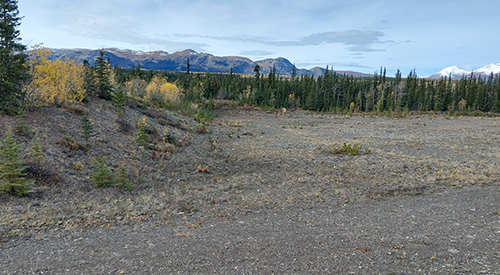
Growth Contingency Site
Deep Creek
| Owner | Ta’an Kwäch’än Council |
|---|---|
| Current Use | Abandoned gravel pit |
| Location Notes |
|
| Distance to nearest residence | ~2,000 m |
Site Evaluation Criteria
While no site is without challenges, the selected locations ranked highest based on engineering, social, environmental, and regulatory factors outlined below.
Identifying potential locations for the project began in early 2024. A total of 22 sites were identified through discussions with the Kwanlin Dün First Nation, Ta’an Kwäch’än Council, City of Whitehorse and Government of Yukon. This list of 22 sites was then narrowed down to 13, which were included in Yukon Energy’s Project Description to YESAB. The sites were then narrowed down even further, to the list of six mentioned above.
Each site was assessed against multiple technical, environmental, social, and logistical factors, including (listed in no particular order):
- Distance to where people use the most electricity and near existing power lines
- Access in an emergency
- Feedback from First Nations governments
- Feedback from the public
- Who owns the land and the steps required to acquire the land
- Ground conditions and how easy it is to build there
- Effects on the environment and community (like air quality, noise, wildlife, and recreation)
- Matches local zoning rules and may offer community benefits (like better roads or firebreaks)
- Works safely with airport activities
- Big enough for the project and future growth
- Easy to get to from main roads
- How long new power lines would need to be, and whether they would cross water or need upgrades
- Chances to share costs with other groups or projects
Engagement
In addition to engaging with the Kwanlin Dün First Nation, Ta’an Kwäch’än Council, Government of Yukon, and City of Whitehorse, we also met with multiple stakeholder groups and engaged with the public through the web, email, and in-person. A detailed What We Heard report is available in the Related Downloads section below.
We are aware of concerns raised about what this project will mean for noise levels and air quality in nearby areas. The generators used for this project will be newer, quieter and more efficient, than Yukon Energy’s older generators at the dam in Whitehorse.
Background: Initial Site evaluation
Before arriving at the preferred sites in December, 2025, 13 potential locations were included in Yukon Energy's Project Description to YESAB. Watch the webinar below to learn about those sites, as well as an introduction and background to the project.